
Cart
0
You may also like
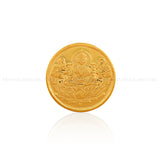
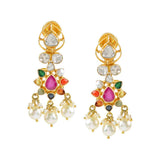
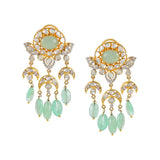
Antique, temple and modern gold jewellery differ mainly in origin, finish and purpose. Antique gold jewellery has an aged, matte or oxidised finish inspired by royal and heirloom styles, prized for its vintage character. Temple gold jewellery is a South Indian tradition featuring deity motifs, Lakshmi coins (kasu) and kemp stones, worn for weddings and classical dance. Modern (contemporary) gold jewellery is lightweight, minimal and versatile, designed for daily and office wear. Choose antique for regal occasions, temple for traditional and bridal looks, and modern for everyday elegance.
Walk into any established jewellery showroom in Hyderabad and you will hear three words used almost interchangeably: antique, temple and modern. They are not the same thing. Each describes a different design language, a different finish, and a different moment it was made for. Knowing the difference helps you buy the right piece for the right occasion — and understand why two gold necklaces of similar weight can feel worlds apart.
At Krishna Jewellers, a name families in Hyderabad have trusted since 1983, we are asked to explain this distinction almost every week. This guide breaks down all three styles clearly, so you can shop with confidence.
Antique gold jewellery is defined by its aged, understated finish. Instead of a high mirror polish, antique pieces carry a soft matte or lightly oxidised patina that gives them a vintage, heirloom character. The designs draw on old royal and dynastic styles, with detailed hand-carving, textured surfaces and a look that feels as though it has passed down through generations.
Strictly speaking, a true antique is an ornament that is around a century old. In everyday Indian retail, however, "antique" usually refers to antique-finish jewellery: newly crafted pieces deliberately finished to look aged. The appeal lies in detailing rather than sparkle — depth, texture and craftsmanship over shine.
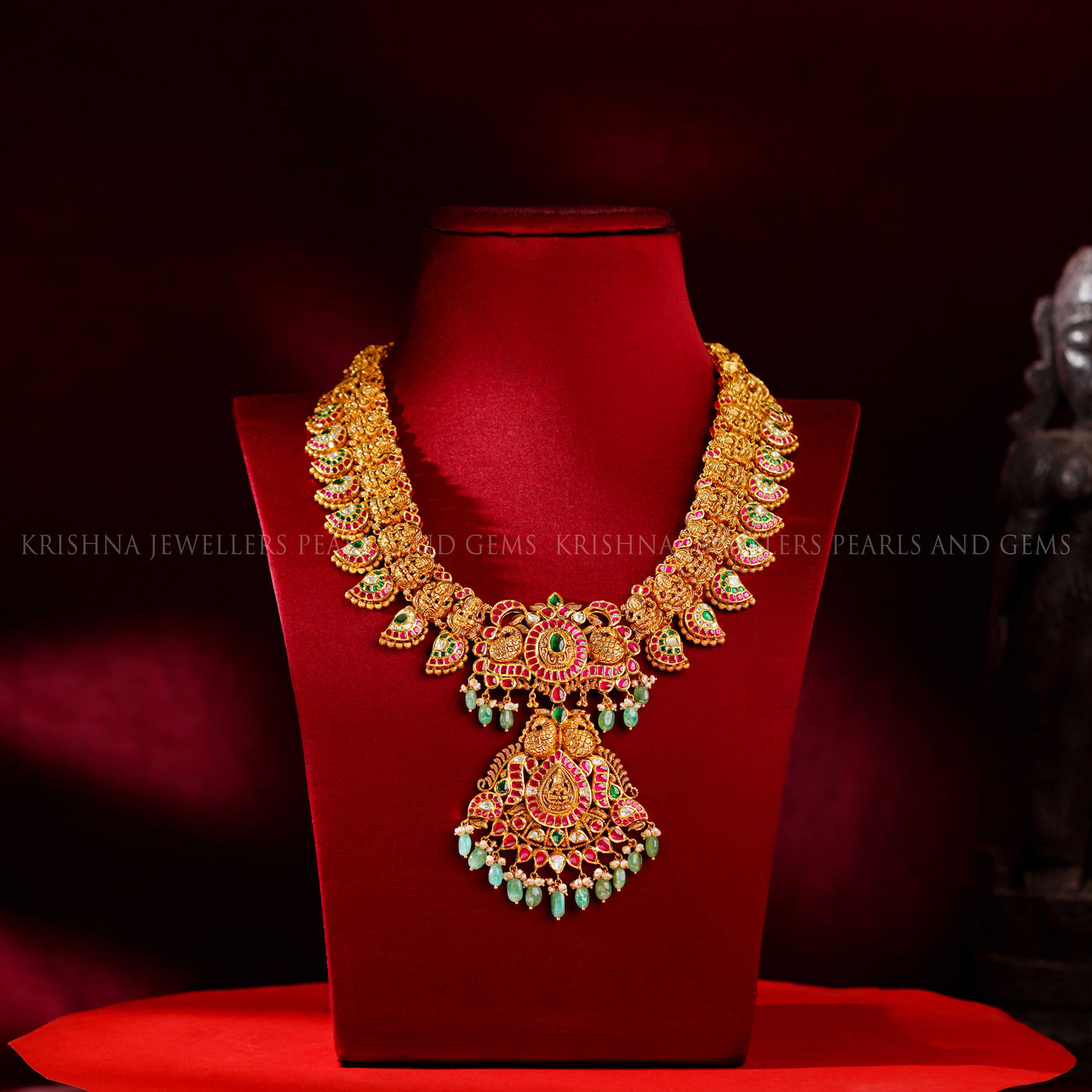
Temple jewellery is one of South India's most cherished traditions. It originated centuries ago in the temple towns of Tamil Nadu and Andhra Pradesh, where ornaments were first crafted to adorn deities and idols during rituals. Goldsmith families passed the motif-carving techniques down across generations, and today temple jewellery is the signature look of South Indian brides and Bharatanatyam and Kuchipudi dancers.
What sets temple jewellery apart is its iconography. Pieces feature miniature carvings of gods and goddesses — Lakshmi is the most beloved — alongside sacred and nature motifs such as peacocks, elephants, mangoes and swans (hamsa). The classic red-and-green flash comes from kemp stones (uncut rubies and emeralds), and Lakshmi coin strands are known as kasu malai or kasulaperu.
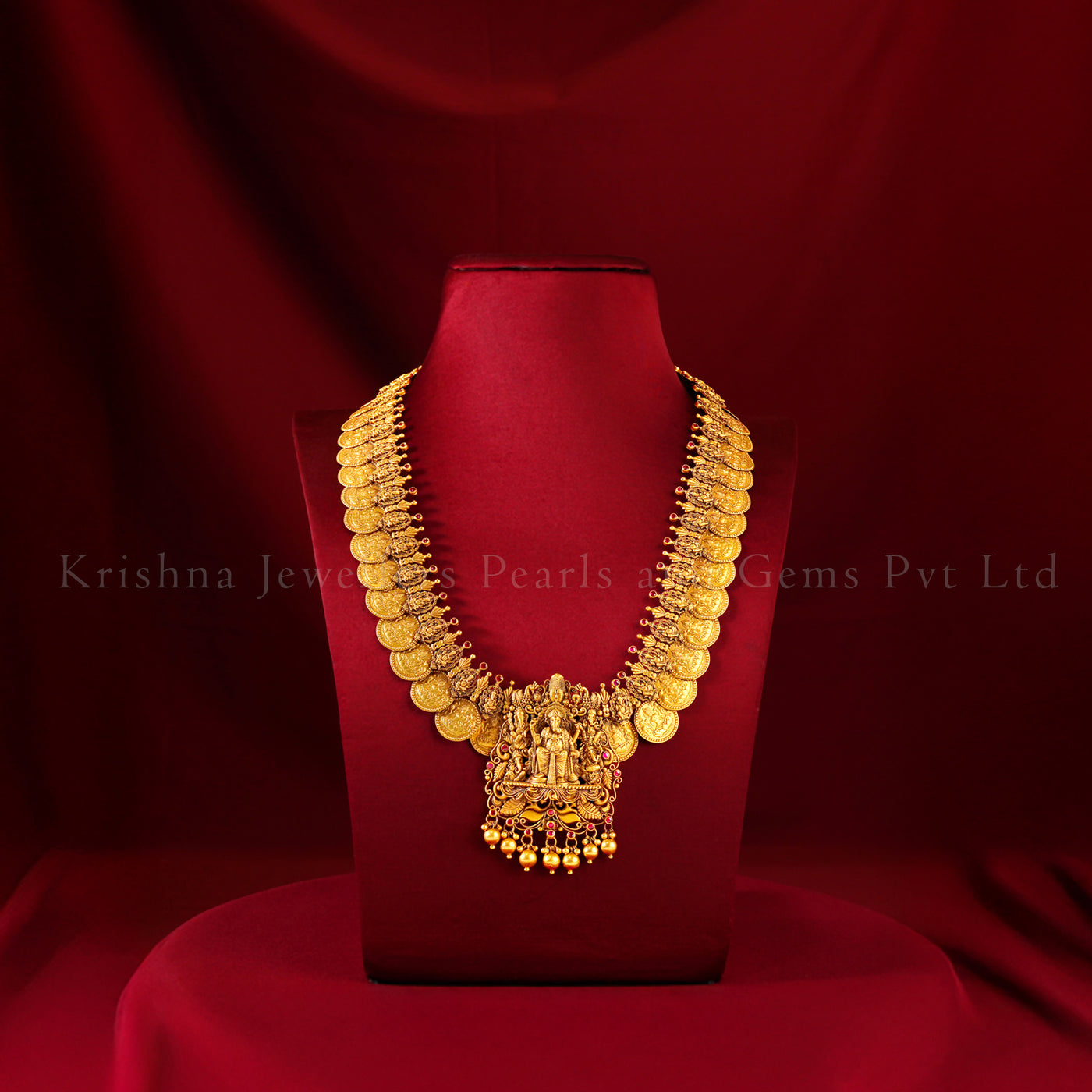
Temple jewellery is grand and ceremonial. It carries spiritual and cultural meaning, which is exactly why it stays reserved for weddings, pujas, festivals and major family occasions.
Modern gold jewellery answers a simple question: what do you actually wear on a normal day? These designs prioritise comfort, versatility and wearability. Expect clean lines, minimal detailing, lightweight construction and a bright contemporary polish that pairs as easily with a kurta as with a western dress or office wear.
Where antique and temple pieces are statements, modern jewellery is built for repetition — the kind of chain, studs or slim bangle you reach for every morning. It is typically machine-assisted in production, which keeps it lighter on gold weight and gentler on the budget, without sacrificing finish.
Here is the difference at a glance:
| Feature | Antique | Temple | Modern |
|---|---|---|---|
| Origin / inspiration | Royal & heirloom eras | South Indian temples & deities | Current fashion trends |
| Finish | Matte / oxidised, aged | Antique or gold-tone with kemp stones | Bright, high polish |
| Motifs | Intricate vintage carving, polki/kundan | Gods, goddesses, peacocks, mango, kasu | Geometric, minimal, clean lines |
| Weight | Heavier, statement | Heavy, ceremonial | Light, everyday |
| Best occasion | Regal events, receptions | Weddings, pujas, classical dance | Daily & office wear, casual outings |
| Style feeling | Regal, heritage | Sacred, traditional, bridal | Sleek, versatile |
There is no single "best" style — the right choice depends on the occasion, the outfit and how often you plan to wear the piece. A quick way to decide:
Many customers own all three: a temple bridal set for the wedding day, an antique haram for receptions, and modern studs and chains for daily life. If you are buying gold as a long-term asset as well as an adornment, always check the BIS hallmark and karatage (22K is standard for traditional Indian gold jewellery), and ask about making charges, which vary with design complexity.

Explore our full range online in the gold jewellery collection — from temple and antique bridal sets to everyday gold — or visit our Jubilee Hills and Kokapet showrooms to try pieces on in person. You can also check the day's live gold rate before you buy.
Chat with our jewellery consultants on WhatsApp for personalised guidance, live product photos and a video-call showroom tour.
Chat on WhatsAppAntique jewellery describes an aged, vintage finish and royal, heirloom-inspired styling. Temple jewellery describes a specific South Indian tradition with deity motifs, Lakshmi coins (kasu) and kemp stones. The two often overlap, because temple designs are frequently given an antique finish — so a piece can be an "antique-finish temple necklace." In short: antique is about finish and era, temple is about motif and religious heritage.
No. Temple jewellery is rooted in South Indian temple and dance traditions, but it is now popular across India for weddings, festivals, pujas and classical performances. Brides in North India increasingly choose temple sets too. It pairs best with silk sarees and traditional outfits.
Modern (contemporary) gold jewellery is best for daily wear. It is lightweight, minimal and comfortable, works with both ethnic and western outfits, and is generally more affordable because it uses less gold. Slim chains, small studs and thin bangles are popular everyday choices.
Often, yes. Antique pieces tend to be heavier and involve intricate hand-craftsmanship, which raises both gold weight and making charges. Modern jewellery is usually lighter and partly machine-made, so it typically costs less. Genuine century-old antiques can also carry rarity and collector value beyond their gold weight.
Kemp stones are the traditional red and green stones (resembling uncut rubies and emeralds) that give temple jewellery its signature colour. Kasu refers to the small Lakshmi coins strung into necklaces called kasu malai or kasulaperu — a hallmark of South Indian temple jewellery.
Yes. A single temple or antique statement piece — such as a choker or jhumkas — can be styled with a plain gown, a fusion outfit or an Indo-western look for a striking contrast. The key is to let one heritage piece lead and keep the rest of the look minimal.


