
Cart
0
You may also like
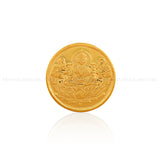
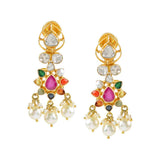
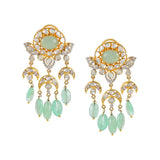

A complete South Indian bridal jewellery set can include up to 15 pieces: nethi chutti, maang tikka, jadai and rakodi for the hair; earrings and nath for the face; choker, necklace and haram for the neck; vanki (bajuband), bangles and rings for the arms and hands; a vaddanam for the waist; and anklets and metti (toe rings) for the feet. Choose your main neck piece first, then match every other piece to its motifs and finish. Customs differ across Telugu, Tamil, Kannada and Malayali weddings, so treat this as a planning checklist, not a rulebook.
A South Indian bride's jewellery is never just one necklace and a pair of earrings. It is a complete composition that frames the face, traces the neckline, shapes the waist and reaches all the way to the hair and feet.
There is no single bridal set that every South Indian community follows. Telugu, Tamil, Kannada and Malayali traditions each have their own pieces and customs, and families add their own. But this checklist covers every piece you are likely to consider, organised the way you wear them: from head to toe.
| Zone | Piece | Also known as | What it does |
|---|---|---|---|
| Hair & head | Nethi chutti | Forehead ornament | Frames the forehead along the hairline |
| Hair & head | Maang tikka | Tikka | Single pendant along the hair parting |
| Hair & head | Jadai | Jada, braid jewellery | Decorates the full length of the braid |
| Hair & head | Rakodi | Hair bun ornament | Round ornament at the base of the braid or bun |
| Face | Earrings | Jhumkas, chandbalis | Balance the necklace layers |
| Face | Nath | Nose ring, mookuthi | Adds detail to the centre of the face |
| Neck | Choker | Addigai, kante | The snug first layer that frames the face |
| Neck | Necklace | Kasulaperu, mango mala | Mid-length layer that tells the story |
| Neck | Haram | Long haram | Long statement piece toward the waist |
| Arms | Vanki | Bajuband, armlet | Adorns the upper arm |
| Hands | Bangles | Gajulu, valayal | Add sound, sparkle and movement |
| Hands | Rings | Statement or stacked rings | Complete the hand jewellery |
| Waist | Vaddanam | Oddiyanam, waist belt | Defines the waist over the saree |
| Feet | Anklets | Payal, pattilu, kolusu | Add sound with every step |
| Feet | Toe rings | Metti, mettelu | Traditionally worn after marriage |
The nethi chutti is a traditional South Indian forehead ornament that runs along the hairline. Unlike a simple maang tikka, it frames the whole forehead with side chains. It pairs beautifully with traditional bridal hairstyles and silk sarees, and instantly gives the look a classic feel.
Look for: side chains that sit flat and follow your hairline comfortably.

The maang tikka sits at the centre of the forehead with its pendant along the hair parting, linking the bride's jewellery to her face. It can be simple or elaborate, in pearl, diamond, kundan, polki or gemstones.
Look for: a tikka that matches your necklace's motif for a classic, coordinated set.

The jadai is an ornament that runs the full length of the bride's braid, turning the hairstyle itself into part of the jewellery. Traditional designs feature flowers, coins and temple motifs.
Look for: motifs that echo your haram or vaddanam so the back view matches the front.
The rakodi sits at the back of the head, usually at the base of the braid or bun. It is typically round, with floral or temple motifs, and comes into view every time the bride turns. It's a reminder that bridal jewellery doesn't stop at the neck.
Look for: a size that suits your bun or braid without feeling heavy.

Bridal earrings complete the face and balance the necklace layers. Popular styles include jhumkas, chandbalis, kemp earrings, temple earrings and long traditional drops. If your necklaces are intricate, choose earrings in the same style or slightly simpler.
Look for: earrings, choker and hairstyle that work together, not against each other.
The nath adds a finishing detail to the face. Depending on regional custom, it may be a small nose stud, a nose ring or a hoop, sometimes set with pearls or gems.
Look for: a size in proportion to your face and the rest of the set. It doesn't need to be intricate.

The choker sits close to the neck, frames the face and gives the bridal outfit a rich base. Traditional gold chokers feature temple and Lakshmi motifs, kundan, polki, gemstones or nakshi work. If you plan to layer, the choker is your starting point.
Look for: a snug, comfortable fit around the neck.

The mid-length necklace adds visual length to the upper body. Depending on the region, it might be an antique gold necklace, a kasulaperu, a Lakshmi necklace, a mango mala or a gemstone necklace. Worn with a choker, it creates a layered look that still feels connected.
Think of it this way: the choker is the frame, and the necklace is the story that follows.

The haram is the long necklace of a South Indian bridal set, drawing a bold vertical line from the neckline toward the waist. Designs include Lakshmi, coin, peacock, mango and temple motifs, often embellished with pearls and precious stones. With a traditional bridal saree, the haram completes the upper-body jewellery.
Look for: a length clearly longer than your necklace so each layer stays visible.

The vanki, also called bajuband, is an armlet worn on the upper arm. Traditional South Indian designs feature temple work, floral and peacock patterns, Lakshmi figures and gemstones. It brings jewellery to a part of the body that would otherwise stay bare.
Look for: a blouse with short, cap or no sleeves so the vanki can be seen.

Bangles bring movement to the bridal look. As the bride moves her hands, their sound and sparkle become part of the moment. Gold bangles can be plain, embossed, engraved or stone-studded, and many brides mix them with glass bangles or regional bridal bangles.
Look for: the right size. A beautiful stack should still be comfortable through a long ceremony.

Rings complete the hand jewellery. A bride may wear one statement ring, several gold rings, or designs that match her bangles. Some brides also choose a hath phool, a ring linked by chains to a bracelet.
Look for: rings that coordinate with your bangles and leave room for your mehendi design to show.

The vaddanam, or oddiyanam, is one of the most recognisable pieces of South Indian bridal jewellery. This gold waist belt sits over the saree and may feature Lakshmi, peacock, floral or temple designs, often with gemstones. Beyond its beauty, it traditionally helps hold the saree in place.
Look for: an adjustable fit, and motifs that repeat your haram's.
Anklets carry the jewellery all the way to the feet. Silver is the traditional choice, though modern bridal anklets come in many designs, from intricate pieces with bells to simple chains. Their gentle sound adds to every step the bride takes.
Look for: a smooth inner finish that won't catch on the saree.
Toe rings, called metti in many South Indian communities, complete the head-to-toe set. They are traditionally associated with married women, though customs vary from region to region. Silver remains the popular choice, and many modern designs are comfortable enough for everyday wear after the wedding.
Look for: a smooth, adjustable band you can wear daily.
Your bridal set doesn't have to be bought as one matching collection. But it should look like one. Build it in this order:
Tick off each piece as you finalise it. Not every bride wears all fifteen, so skip what your family tradition doesn't include.
Pieces ticked: of 15
See temple, Lakshmi, kasu and nakshi designs side by side and match every piece to your main haram.
A traditional South Indian bridal set can include a choker, necklace, haram, earrings, maang tikka, nethi chutti, nath, vanki, bangles, rings, vaddanam, jadai, rakodi, anklets and toe rings. The exact combination varies by region and community.
No single piece is universally the most important, since the necklace layers, earrings, forehead jewellery, waist belt and hair jewellery all shape the look. When planning, though, choose your main neck piece (usually the haram) first and match the rest to it.
A maang tikka has a single central pendant that hangs along the hair parting. A nethi chutti is broader, with side chains that run along the hairline and frame the whole forehead.
A vaddanam, also called an oddiyanam, is a traditional South Indian gold waist belt worn over the saree. It is decorative and also traditionally helps hold the saree in place.
The jadai and rakodi are the main traditional hair ornaments. The jadai decorates the length of the braid, while the rakodi sits at the back of the head, near the base of the braid or bun.
They are the same type of ornament: an armlet worn on the upper arm. Vanki is the common South Indian name, and bajuband is used more widely across India.
No. South India has many communities and wedding traditions, and customs differ between regions and families. Use this list as a complete planning checklist, not a universal rule.
They don't need to be from one collection, but they should share motifs and finish. Repeating your haram's motif in the choker, earrings, vaddanam and jadai makes the whole set look intentional.
Since 1983, Krishna Jewellers has dressed Hyderabad brides from nethi chutti to metti. Bring this checklist and your saree to any of our seven showrooms, and we'll help you build a set that tells one story.
Shop Bridal Jewellery Chat on WhatsApp
