
Cart
0
You may also like
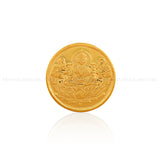
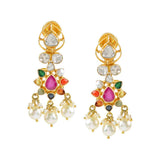
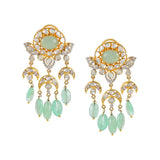
Almost every piece in a bridal trousseau can live a second life in everyday wardrobes — the trick is isolation, not accumulation. Wear one statement piece at a time against a plain canvas: a polki choker over a black crew-neck, a kasu mala down a shirt dress, kadas with rolled sleeves. The wedding was the whole Raas Leela; daily life is the leela worn lightly — one chapter at a time.
Here is the piece-by-piece guide.
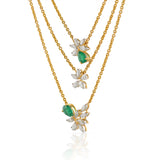
At the wedding, your polki choker was Level 1 of a three-layer build. Alone, it becomes a completely different object. Worn over a plain crew-neck tee, a black slip dress or a closed-collar kurta, the choker's emerald drops become the outfit's only event — and because polki glows rather than sparkles, it reads as warm rather than flashy at a dinner or festive lunch. The rule: high, plain necklines only, so the choker sits on fabric or clean collarbone, never competing with prints.
A rivière — a single line of graduated diamonds — is the most re-wearable object in the trousseau because it has no cultural costume attached to it. With a silk shirt and trousers it is boardroom polish; with a saree blouse it is festive; with a slip dress it is evening. If yours carries a pear-shaped pendant, let it sit just below the collarbone hollow — the point of the pear draws a subtle vertical that lengthens the neck in a way round pendants don't.
Carved gold kadas were built for ceremony but behave like modern cuff bracelets. Wear one — not the bridal pair — on the watch-free wrist with rolled shirt sleeves or a sleeveless kurta. The carved surface gives texture that a plain office wardrobe lacks, and because a kada has no dangling elements, it survives keyboards and kitchen counters.
Small-to-mid jhumkas translate to work wardrobes when the rest of the frame is quiet: hair tied back or tucked, no necklace, plain top. The bell silhouette adds movement near the face during conversation — useful in a world of video calls, where earrings do more work than necklaces. Save the shoulder-grazing bridal pair for occasions; the everyday jhumka should end above the jawline.
This is the most quietly fashionable re-wear in the list. A kasu (coin) mala worn long over a linen or cotton shirt dress, buttons closed, reads as a designer coin necklace — the embossed coins articulate and move as you walk. It also works over a plain white shirt with jeans. Keep earrings to studs; the mala is the sentence, everything else is punctuation.
These are the pieces designed to carry both roles — anchor at the wedding, statement in daily life. Explore the full Krishna Leela collection.

Emerald Polki Diamond Statement Necklace — 18K Gold
View Piece →
Emerald Polki Diamond Choker — 18K Gold
View Piece →
Emerald Polki Diamond Drop Earrings — 18K Gold
View Piece →
22K Gold Kundan Chandbali Earrings with Pearl Drops
View Piece →
22K Gold Temple Bottu Necklace (Traditional South Indian)
View Piece →
Emerald Polki Long Necklace with Pearl Drops — 18K Gold
View Piece →Be honest about which pieces don't translate: the vaddanam, the full antique collar, the Satlada-scale long haar. These are architectural pieces designed for silk and scale, and forcing them onto everyday clothes diminishes them. Their re-wear route is the festive calendar — Varalakshmi Vratam, Diwali, family weddings — where they can be the anchor again.
Your trousseau was assembled to tell six chapters in one week. Its second life tells the same story slowly — one piece, one ordinary Tuesday at a time.
If you'd like help re-mapping your bridal jewellery to your everyday wardrobe, bring them to our Jubilee Hills showroom for a re-styling session, or message us on WhatsApp and we'll plan it around your calendar.
Message on WhatsApp Explore Krishna LeelaCan I wear my polki choker with western outfits?
Yes — it is one of the best crossover pieces. Wear it solo over a plain, high neckline: a black crew-neck, slip dress or closed-collar shirt. Skip other neck layers entirely and keep earrings minimal, so the choker reads as a deliberate statement rather than costume.
How should I store bridal jewellery at home?
Separately. Give each piece its own soft pouch or lined compartment so surfaces never rub, fasten clasps before storing to prevent tangling, and lay long chains flat. Wipe pieces with a dry, soft cloth after wearing, and always put jewellery on after perfume and hairspray.
Which bridal piece is easiest to wear daily?
The diamond rivière. A single line of diamonds carries no ceremonial costume-association, so it moves effortlessly between office shirts, sarees and evening dresses. Kadas and small jhumkas come a close second — both survive daily life and pair with Indian and western wear alike.
How do I clean kundan and polki jewellery at home?
Limit home care to a gentle wipe with a dry, soft cloth after wearing, and dry, separate storage. Kundan and polki settings are delicate constructions, so for anything beyond surface dust, bring the piece to a professional jeweller rather than using home cleaning methods.


