
Cart
0
You may also like
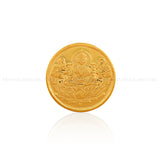
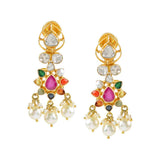
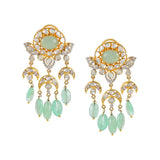
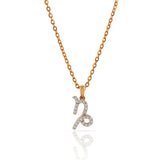
Understand what 24K, 22K, 18K and 14K gold actually mean — how each karat differs in purity, strength and colour, which one suits bridal, diamond or daily-wear jewellery, and how today’s gold rate in Hyderabad translates into the price you pay.
24K gold is 99.9% pure and best for coins, bars and investment — it is too soft for jewellery that is worn regularly. 22K gold is 91.6% pure (hallmarked 916) and is the standard for traditional Indian bridal jewellery such as harams, kasulaperu, vaddanams and bangles. 18K gold is 75% pure (hallmarked 750) and is the preferred choice for diamond and gemstone jewellery because its alloy content holds delicate settings securely. 14K gold is 58.5% pure (hallmarked 585), the hardest and most affordable of the four, suited to everyday rings, chains and lightweight pieces.
There is no single “best” purity. Higher karat means more gold and richer colour; lower karat means more strength and durability. The right choice depends on what the piece is, whether it holds stones, and how often you will wear it.
Gold jewellery is not made from one single kind of gold. A daily-wear ring is not crafted in the same metal as a traditional haram or a gold coin. That difference comes down to four things: purity, strength, colour and intended use.
There are four karat grades you will encounter most often in India — 24K, 22K, 18K and 14K. While 24K gold is the purest of them, it is not automatically the best option for every piece of jewellery. A wedding haram calls for 22K gold. A diamond ring is usually better made in 18K or 14K.
This guide explains each grade, where it is used, and how to decide which one is right for the piece you are buying.

The purity of gold is expressed in Karat, written as K. Pure gold is defined as 24 parts out of 24, which is why it is called 24K. When other metals such as silver, copper, zinc or palladium are added to gold, the proportion of pure gold falls — and the metal becomes harder, more durable and better suited to being worn.
In simple terms: karat tells you how much of the metal is actually gold. Alloying is not an adulteration; it is what makes gold wearable.
| Gold purity | Gold content | Hallmark | Common use |
|---|---|---|---|
| 24K | 99.9% gold | 999 | Coins, bars and investment |
| 22K | 91.6% gold | 916 | Traditional Indian gold jewellery |
| 18K | 75% gold | 750 | Diamond and contemporary jewellery |
| 14K | 58.5% gold | 585 | Durable daily-wear jewellery |
Every piece of gold jewellery sold in India must carry a BIS hallmark with a six-digit HUID. The purity mark — 916, 750 or 585 — is your independent confirmation of what you are paying for.
24K gold has the highest purity of all — up to 99.9% gold — and carries the deep, bright yellow colour that pure gold is known for.
That purity comes with a trade-off. Pure gold is highly malleable, which makes 24K soft and prone to scratches, dents and bending in everyday wear. For that reason it is used for gold coins, bars and investment holdings rather than pieces that are worn on the body.
A 24K gold coin makes an excellent gift for a wedding, a housewarming, a festival or any milestone occasion. It also suits buyers whose primary goal is to hold gold as an asset rather than wear it.

22K gold is approximately 91.6% pure gold, which is why it is commonly called 916 gold. The remaining 8.4% is a mix of other metals that give the alloy enough strength to be worked into jewellery.
This is the purity that suits Indian jewellery best, because it strikes the balance between richness of gold and practical wearability. The warm yellow colour works beautifully with traditional motifs, temple designs, bridal sets and South Indian goldsmithing.
22K is still relatively soft, so it is less suited to heavily worn rings or very fine, delicate structures. But for traditional bridal jewellery — where colour depth and gold content matter most — it remains the preferred choice.
Bridal jewellery is meant to look rich, traditional and striking. The deep yellow of 22K gold sits perfectly against a silk saree, a zari border, bridal red and the green of emeralds — a combination that lower-karat gold cannot quite reproduce.
18K gold contains around 75% gold and is marked 750. The higher alloy content makes it noticeably harder than 22K, which is exactly why it is the metal of choice for pieces that have to hold diamonds or coloured stones.

It is widely used for diamond rings, engagement rings, bracelets, pendants, earrings and contemporary necklaces.
Diamond jewellery relies on very fine settings, prongs and gallery structures. The additional alloy in 18K gives those tiny components the rigidity they need to grip a stone securely over years of wear — something 22K gold cannot do as reliably.
That said, the right answer always depends on the design, the setting style, the size of the stone and how often the piece will be worn.

14K gold is about 58.5% pure gold and is marked 585. Because it carries a larger proportion of alloy metals than 18K, it is the strongest and most hard-wearing of the four grades.
It is the everyday standard in markets like the United States, where it is used extensively for rings, chains, bracelets and fashion jewellery. In India it is increasingly popular for lightweight daily-wear and office jewellery.
With less gold content than 18K, 22K or 24K, 14K is also the most affordable per gram — though its colour is correspondingly less vivid than higher-karat gold.
If you want gold jewellery that can genuinely take the knocks of daily use, 14K is the most practical grade available.
| Factor | 24K | 22K | 18K | 14K |
|---|---|---|---|---|
| Gold content | 99.9% | 91.6% | 75% | 58.5% |
| Hallmark | 999 | 916 | 750 | 585 |
| Colour | Deepest yellow | Rich warm yellow | Softer yellow; also white & rose | Lightest yellow; also white & rose |
| Hardness | Softest | Soft | Hard | Hardest |
| Scratch resistance | Low | Moderate | Good | Very good |
| Holds diamonds | No | Limited | Excellent | Excellent |
| Cost per gram | Highest | High | Moderate | Lowest |
| Resale value | Highest | Strong | Moderate | Lower |
| Best for | Coins, bars, investment | Bridal & traditional jewellery | Diamond & modern jewellery | Daily-wear & fashion jewellery |
24K gold is purer, but purer does not mean better for every piece of jewellery.
If your goal is to maximise the quantity of gold you own, 24K is the right choice. If you want traditional jewellery you can actually wear, 22K will serve you better. And if you are buying diamond jewellery or something for everyday use, 18K or 14K will outlast both.
The gold rate changes daily, driven by international gold prices, currency movements, market demand and the local bullion position. The rate published on a website is the metal rate — the final price of a piece of jewellery will also include making charges, stone value, taxes and other charges.
Indicative Hyderabad rates · 15 September 2026 · metal rate only, exclusive of GST and making charges
| Purity | Per gram | Per 10 grams |
|---|---|---|
| 24K gold rate today | ₹15,317 | ₹1,53,170 |
| 22K gold rate today | ₹14,040 | ₹1,40,400 |
| 18K gold rate today | ₹11,488 | ₹1,14,880 |
| 14K gold rate today | ₹8,968 | ₹89,680 |
Rates move every day and can differ slightly between sources depending on when each page updates. For the live rate and the last 10 days’ trend, see our today’s gold rate in Hyderabad page.
The metal value of any gold jewellery follows a single formula:
Gold value = 24K gold rate × purity percentage × weight in grams
Applying the purity percentages:
For a 10 gram 22K gold bangle, at a 24K rate of ₹15,317 per gram:
₹15,317 × 0.916 × 10 grams = ₹1,40,304 as the metal value.
This calculation covers the gold alone. The total cost of a finished piece of jewellery will additionally depend on:
| If you are buying… | Choose | Why |
|---|---|---|
| A bridal haram, vaddanam or kasulaperu | 22K | Rich traditional colour and high gold content |
| A diamond engagement ring | 18K | Strong enough to hold fine prong settings |
| A gold coin or bar for investment | 24K | Maximum purity and resale value |
| A ring or chain for daily wear | 14K or 18K | Best scratch and dent resistance |
| White gold or rose gold jewellery | 18K or 14K | Alloy content is what creates these colours |
| Temple or Lakshmi jewellery | 22K | Traditional craftsmanship is built around 916 gold |
| Lightweight office or gifting jewellery | 14K | Durable and more affordable per gram |
Our jewellery consultants at Krishna Jewellers Pearls & Gems can guide you through purity, design and budget — in store across our seven Hyderabad showrooms, or over a video call.
Chat on WhatsApp Check Today’s Gold RateThe difference is the proportion of pure gold in the metal. 24K gold contains approximately 99.9% gold and is the purest option. 22K gold contains about 91.6% gold and is widely used for traditional Indian jewellery. 18K gold contains 75% gold and is popular for diamond and contemporary jewellery. 14K gold contains approximately 58.5% gold and is commonly chosen for durable, everyday-wear pieces.
22K gold is generally the preferred choice for traditional bridal jewellery because of its rich yellow colour and high gold content. It works beautifully for bridal harams, kasulaperu necklaces, temple jewellery, bangles, vaddanams and traditional earrings. 18K gold may be preferred when the bridal design includes delicate diamond settings or a more modern look.
24K gold is usually not the best choice for daily-wear jewellery, because pure gold is soft and can scratch, bend or lose its shape more easily. It is more commonly used for coins, bars and investment purposes. For daily wear, 18K or 14K gold is more practical, as the added alloy metals provide greater strength.
Neither is better for every purpose. 22K gold is better suited to traditional jewellery and to buyers who prefer higher gold purity, while 18K gold is often better for diamond jewellery, modern designs and regular wear. The right choice depends on the design, the durability required, the budget and how frequently the jewellery will be worn.
18K or 14K gold is generally best for diamond rings, because both offer more strength than 22K gold. 18K gold provides a higher gold content and a richer finish, while 14K gold is harder and more affordable. The final choice should also take into account the diamond setting, the ring design, your lifestyle and your budget.
916 is the hallmark for 22K gold and indicates that 91.6% of the metal is pure gold. Similarly, 750 denotes 18K gold (75% pure) and 585 denotes 14K gold (58.5% pure). In India, these purity marks appear as part of the mandatory BIS hallmark along with a six-digit HUID.
Yes. Resale or exchange value is based on the quantity of pure gold in the piece, so a 14K item will fetch less per gram than a 22K item of the same weight. This is why buyers who see jewellery partly as a store of value tend to prefer 22K, while buyers prioritising durability and design choose 18K or 14K.
White and rose gold get their colour from the alloy metals mixed with gold — palladium or nickel for white, copper for rose. A higher karat leaves less room for those alloys, so the colour cannot be achieved convincingly at 22K or above. 18K and 14K have enough alloy content to produce stable, consistent white and rose tones.


